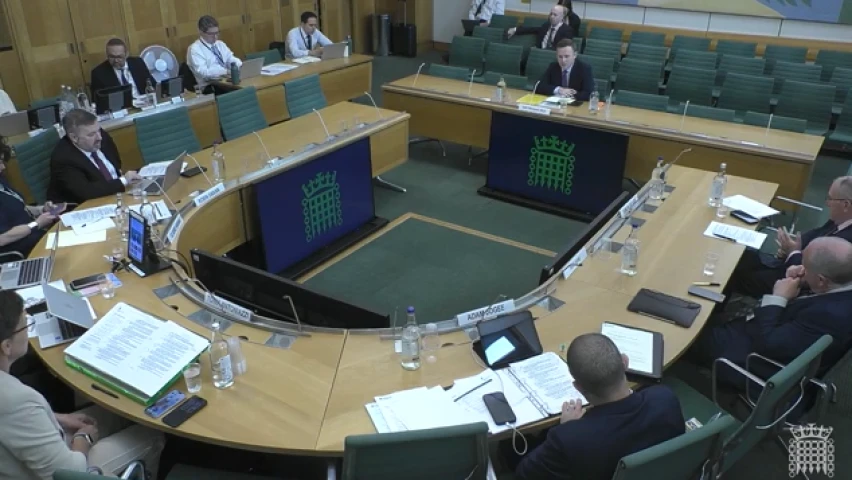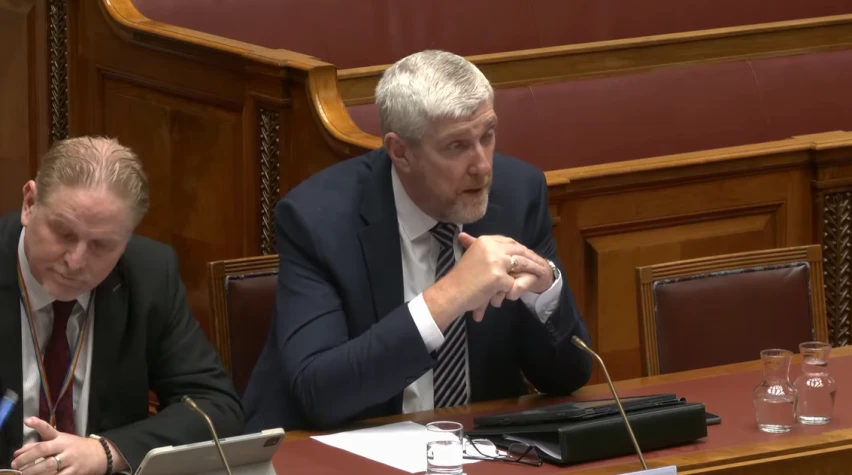




The Secretary of State has invited the Northern Ireland parties to Hillsborough on Thursday to discuss ‘the exact scale of the financial pressures the Executive is facing, and to offer support to enable them to agree a budget’. The Chief Secretary to the Treasury will also attend. In Pivotal’s view, the invitation, venue and attendees would all suggest this is working towards some kind of new financial deal for Northern Ireland.
Northern Ireland’s budget - what’s been happening?
Northern Ireland Departments are currently operating without a budget. A multi-year budget had been long anticipated, but not even a one-year budget has been agreed. The Finance Minister proposed a draft budget in January, but this was swiftly dismissed as undeliverable by other ministers. The blockage is the total amount of funding available (which has barely risen in cash terms from last year, let alone in real terms), rather than any disagreement about how the funding is allocated between departments. With pay awards and other costs increasing, the Finance Minister has said that the total pressures this year are around £700 million. At this stage in the financial year, it would probably be impossible to make sufficient cuts to balance the books, so another overspend would be inevitable. The Stormont parties have therefore been united in their call to the UK Government for more funding.
There is an obvious urgency around the need to agreed a budget. At present, Departments are operating on interim financial controls, but these will only allow funding to be released worth 95% of last year’s budget (i.e. a significantly lower amount than NI’s funding allocation). Not having an agreed budget also means an inability to plan for service delivery, investment and reform; uncertainty for funded organisations; poor budgetary controls; and missed opportunities to make the most of the funding available.
What is the NI Executive asking for?
There are likely to be several layers to the Executive’s request to the UK Government. First, the NI Fiscal Council recently identified that changes to population estimates mean that Northern Ireland is currently funded below need by around £170 million per year, so as a bare minimum the Executive will be hoping to secure an uplift to reflect this. However, their sights will be set much higher, particularly asking the UK Government to provide funding to cover this year’s pressures, namely the £700 million shortfall set out by the Finance Minister. More than this, the Executive has recently pointed out that Scotland and Wales are both funded above their level of need, so they are asking for similar treatment that would give some flexibility above the bare minimum of need. Funding NI to a comparable level per head to Scotland and Wales would mean an annual uplift of around £3 billion or £1 billion respectively.
What is the UK Government’s position?
It’s well known that UK public finances are tight, with calls for more funding on multiple fronts. Northern Ireland will not be near the top of the priority list. So far, the Secretary of State has maintained a hard line in saying Northern Ireland has received a record spending settlement and that it is up to the Executive to make its own choices about managing its finances within the funding available. But the UK Government will be alarmed by the continued absence of a budget here and the subsequent impacts on financial management and public service delivery. The invitation to Hillsborough suggests a softening of their previous position.
The Treasury’s involvement in the Hillsborough discussions is interesting given the recent scathing Open Book Review, which pulled no punches in listing many areas where the Executive could make savings from within its own budget. Some of this analysis appears to have serious flaws (notably about health funding). However, in return for any new funding, the UK Government is likely to draw on the Open Book Review to ask for commitments on some of the areas it identified, such as public sector pay, reducing unit costs of public service delivery, the size of the public sector, and local revenue raising.
Is Northern Ireland receiving fair funding from UK Government?
Whether Northern Ireland is fairly funded has been well debated in recent years, and we now have much more evidence to help make a judgement than before. It’s a complex area, but there is a broad consensus that NI’s need for public funding is around 124-127% per head of England’s, and that funding per head in NI is currently around 124% of England’s at present. So why is current funding not sufficient? Three points: a) historically NI received 130-140% of England’s funding in the years up to 2020, and adjusting down to receiving funding around the level of need has been painful; b) NI’s public sector employment is comparatively bigger than England’s, so funding that is allocated on the basis of population has to fund a larger public sector here; c) unit costs of many public services are higher in NI, so we get less output for the input of the same amount of funding than in England.
This all sounds familiar - have we been here before?
All this will be ringing bells in the memory of any long-time observer of NI’s public finances. The pattern of political and/or funding crisis, negotiations, and then some kind of additional funding package is a familiar one (for example Stormont House (2014), Fresh Start (2015) and New Decade New Approach (2020)). It’s less than 30 months since the last financial package when the Executive was restored in February 2024. There is a pattern to the settlements that are agreed: Northern Ireland receives more short-term funding, and in return the Executive makes commitments to improving its budgetary management, public service transformation and increased local revenue raising. However, it is hard to identify any examples when such conditions have been fulfilled or enforced, still less the kind of radical action needed to make the step-change difference to NI’s public finances that was intended.
What’s the likely outcome of the Hillsborough meeting?
We can probably expect a series of meetings before any agreement. Previous funding deals would suggest an eventual package that combines a short-term injection of money for stabilisation (perhaps for three years) alongside new ring-fenced funding for public service transformation. The idea here is that the short-term stabilisation money gives time for public service transformation plans to be put in place - although in practice it’s hard to see significant savings coming through that quickly. The UK Government is likely to insist on a commitment to increased local revenue raising through regional rates and other routes, together with other savings - although in the past such conditions have often not been enforced. Increased fiscal devolution for Northern Ireland may also feature in the conversation (which in practice may mean income tax varying powers), although any agreement is unlikely given the difference in views between the NI parties (Sinn Féin very keen, DUP definitely not keen).
Pivotal’s analysis
Some final points of analysis from Pivotal:
1. Agreeing a budget for NI Departments for 2026-27 is overdue and urgent. The absence of a budget will be increasingly damaging. The UK Government and NI Executive need to work together to ensure a budget is set as soon as possible.
2. Northern Ireland’s finances need to be put on a sustainable footing so that we can move on from the repeated annual budget crises of recent years.
3. Any financial deal should make clear the NI Executive’s responsibility for managing its own budget and bring an end to repeated calls for additional funding from the UK Government.
4. The UK Government should reflect on the effectiveness of previous financial deals for Northern Ireland, particularly their failure to bring sustainable public finances or the changes in local decision-making that were envisaged.
5. Even if it receives additional short-term funding, there are steps that the Executive must take to manage its own finances better, including public service transformation, efficiency savings, reconsideration of public sector pay policies, reviewing the size of the public sector, ‘super parity’ policies, and local revenue raising.
6. The Executive’s role is not just about setting budgets and delivering public services. It must also give focused attention to growing the economy in order to increase prosperity across Northern Ireland. The real terms fall in funding for the Department for the Economy in recent years is concerning.
7. There is a case for an uplift of £170 million in NI’s funding this year given the change to the population estimates, although the usual approach would be that this is only reassessed in a Spending Review.
For more analysis from Pivotal about Northern Ireland’s finances, see our earlier report Northern Ireland’s multi-year budget: challenges and opportunities