



Each year there is the opportunity to gather to recognise the unique achievements of women from political, civic and community life as part of well-established International Women’s Day activities. Women represent just over half the population in Northern Ireland (NI) and in recent years we have seen women represented across the highest offices in public life. Whilst recognising and celebrating progress, it is impossible to ignore the myriad challenges facing women in NI. This includes meaningful policy change, shrinking civil society space and threats to human rights and women’s participation.
Policy provision for women in Northern Ireland
With the restoration of devolution in 2024 there has been some investment in policy directly supporting women such as the Executive launching its Eliminating Violence Against Women and Girls (EVAWG) Strategic Framework for 2024- 2031. This highlighted the importance of a collaborative approach in tackling VAWG and crucially was resourced financially. Despite this, concentrated action on deep and enduring social issues affecting women remain largely untouched. In addition to the startling statistics on child poverty, research from the Women’s Regional Consortium and University of Ulster indicate that women are the shock absorbers of poverty in their households. Their findings indicate that women are often forced to go cold and hungry and frequently get into debt to provide for their children and families because of the cost-of-living crisis. The Executive Anti-Poverty strategy faced intense criticism as falling far below policy that would affect meaningful change and was resoundingly rejected as unfit for purpose across interest groups. The development of a childcare strategy that should support the most disadvantaged parents with spiralling childcare costs is likely to be similarly received.
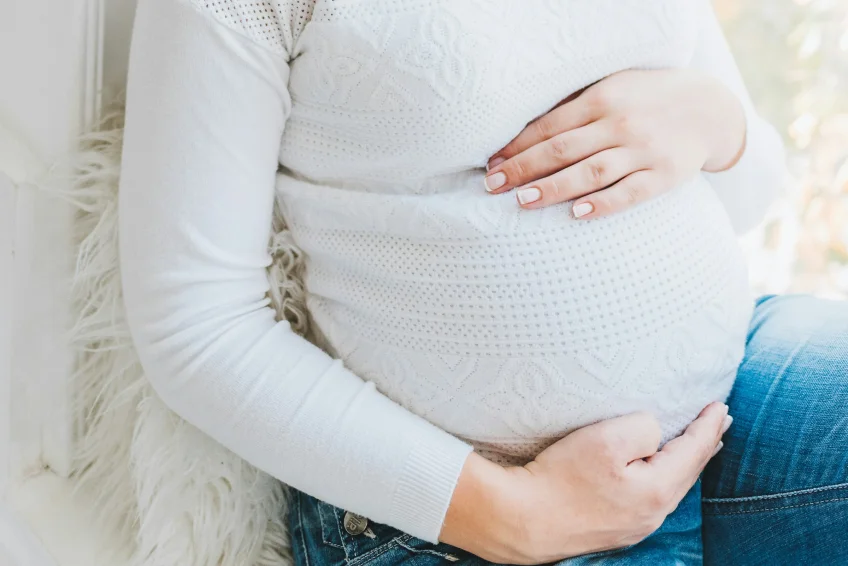
In a region with deep and enduring health inequalities the resourcing of women’s health remains a painful case in point to illustrating gender inequality. Consultation and engagement are ongoing between government, voluntary sector and academia on the development of a Women’s Health Action Plan. Northern Ireland remains an outlier with Scotland, England, Wales and the Republic of Ireland all having actively resourced Women’s Health strategies or action plans. The Women’s Resource and Development agency produced comprehensive data in 2025 on the ongoing impact of the absence of a health strategy alongside specific recommendations. Progress on this remains quite literally agonisingly slow for many women who are on some of the longest waiting lists for treatment in the UK. Not to mention the stark maternal health inequalities with the ongoing absence of a dedicated mother and baby unit. These many issues are showing that the right to health in the UK is being eroded which is backed up by evidence from civil society
Challenges to the rights-based agenda
As mainstream policy shifts follow the changing political climate, women are impacted by ongoing challenges to the rights-based agenda. Open, direct challenges to the human rights agenda particularly regarding the European Convention on Human Rights (ECHR) are now commonplace. Despite protections under Article 2 Windsor Framework, the complex and disproportionate impact Brexit is having on the rights of women in Northern Ireland is clear (Wright et al, 2024). The international bill of rights for women CEDAW (Convention on the Elimination of All Forms of Discrimination Against Women) will not report again until 2027 but its last report in relation to Northern Ireland identified ongoing rights violations for women in NI particularly around abortion access and gender-based violence.
Shrinking civil society space
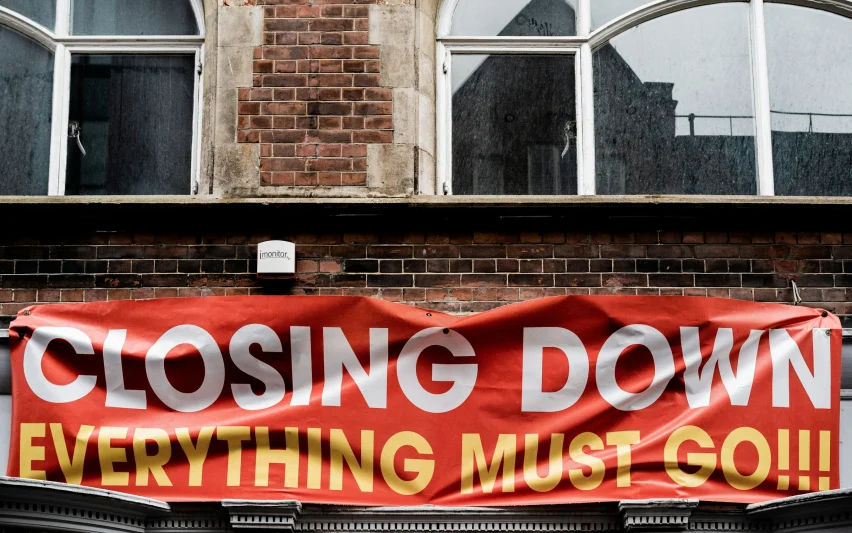
Compounding these challenges is the shrinking of civil society space representing significant harm to the women’s sector. A 2021 report highlighted despite women and girls' organisations delivering essential services, they are in receipt of only 1.8% of the funding awarded to UK based charities. The picture is starker again in NI with cuts to the sector such as the UK Shared Prosperity Fund being replaced with the Local Growth Fund – failing to recognise the unique needs of the sector with a skewed capital/revenue split. Frequently these cuts will most severely impact those already experiencing marginalisation such as migrants, refugees, women with disabilities, LGBTQI+ women, who often rely on the tailored and specialist support women’s organisations offer expertise in. This is particularly true in terms of the significant expertise of the women’s sector in Northern Ireland in peace building and women’s participation in leadership and intersectional approaches. Further, while direct services are often prioritised when funding cuts are inevitable the failure to adequately resource policy, advocacy and research further weakens the ability of the sector to advocate for change.
This triad of weak policy provision, challenges to the rights agenda, and a community and voluntary sector in survival mode wreak havoc for women in NI. Women bear the burden of the lack of accountability and direction from the Executive while we watch already deep and entrenched inequality spiral further. Targeted change cross departmentally via resourced policies with measured outcomes are what will affect change and this must be prioritised at pace. Whether the policy coherence and political courage exist to further this in the current mandate of the Executive remains to be seen.
Dervilia Kernaghan is the Project Coordinator with Women’s Platform, which coordinates the Northern Ireland civil society response to UN processes and mechanisms for women’s rights, including CEDAW. Alongside this Women’s Platform acts as the Secretariat for the All Party Group on UNSCR1325 Women, Peace and Security and focuses on building relationship between grass roots women, women’s sector organisations and elected representatives.
She has spent most of her career in the voluntary and community sector with experience in policy, strategy, leadership and project management in a variety of settings. Her particular areas of interest are health inequalities, gender equality and leadership.
Pivotal Platform is a home for guest writers to contribute their perspectives on public policy debates in Northern Ireland. The views expressed by guest writers are not necessarily those of Pivotal.